Architecture is the art, science, and process of designing and constructing buildings and physical structures, blending functional, technical, and aesthetic considerations to create human-inhabited spaces.
It balances structural engineering with artistic expression, focusing on form, function, sustainability, and context, ranging from residential to commercial, religious, and governmental projects.
Britannica
Britannica
+4
Core Principles and Elements
Form and Function: Architecture involves not just aesthetics, but the "how" and "why" of a structure's use, ensuring it serves its purpose while being visually compelling.
Context: Design considers the surrounding environment, local culture, and climate to create spaces that belong in their setting.
Materials and Technology: The use of materials like concrete, steel, and glass shapes modern design, while sustainability (e.g., green roofs, solar panels) is increasingly central.
The Design Process: This includes conceptualizing ideas, sketching prototypes, and refining designs to meet specific needs.
YouTube
YouTube
+3
Types of Architecture
Architecture is often classified by its purpose or era:
Modern Architecture: Emphasizes minimalism, asymmetry, and the use of industrial materials, often rejecting traditional ornamentation.
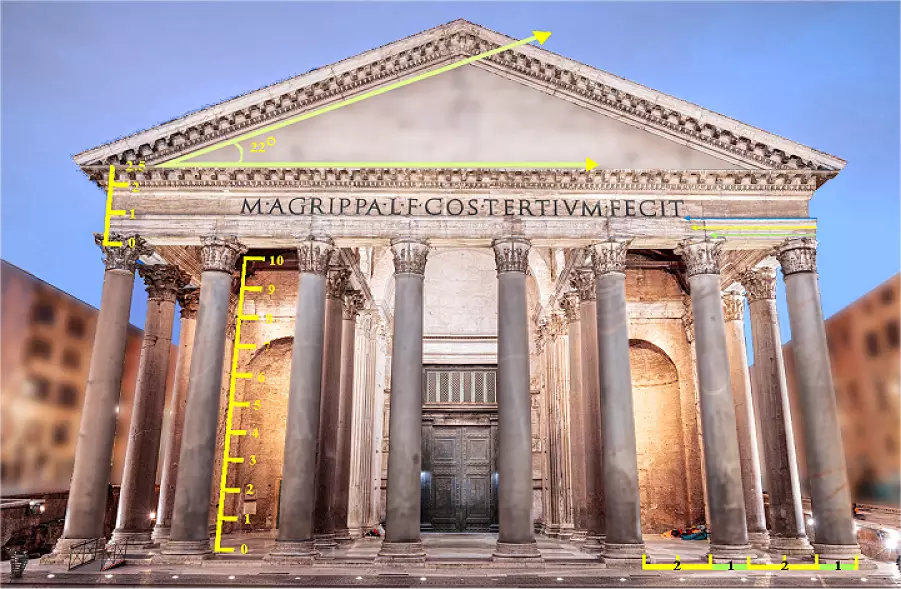
Classical Architecture: Focuses on symmetry, balance, and columns (Doric, Ionic, Corinthian), originating in Greece and Rome.
Types by Use: Includes domestic (housing), religious, governmental, and commercial structures.
Britannica
Britannica
+2
Key Aspects
Space and Experience: Beyond designing buildings, architects shape the human experience within them, including the play of light and the feeling of a space.
Methodology: The field involves a mix of artistic vision and engineering logic to create durable, functional structures.